
AI Integration and Workflow Automation
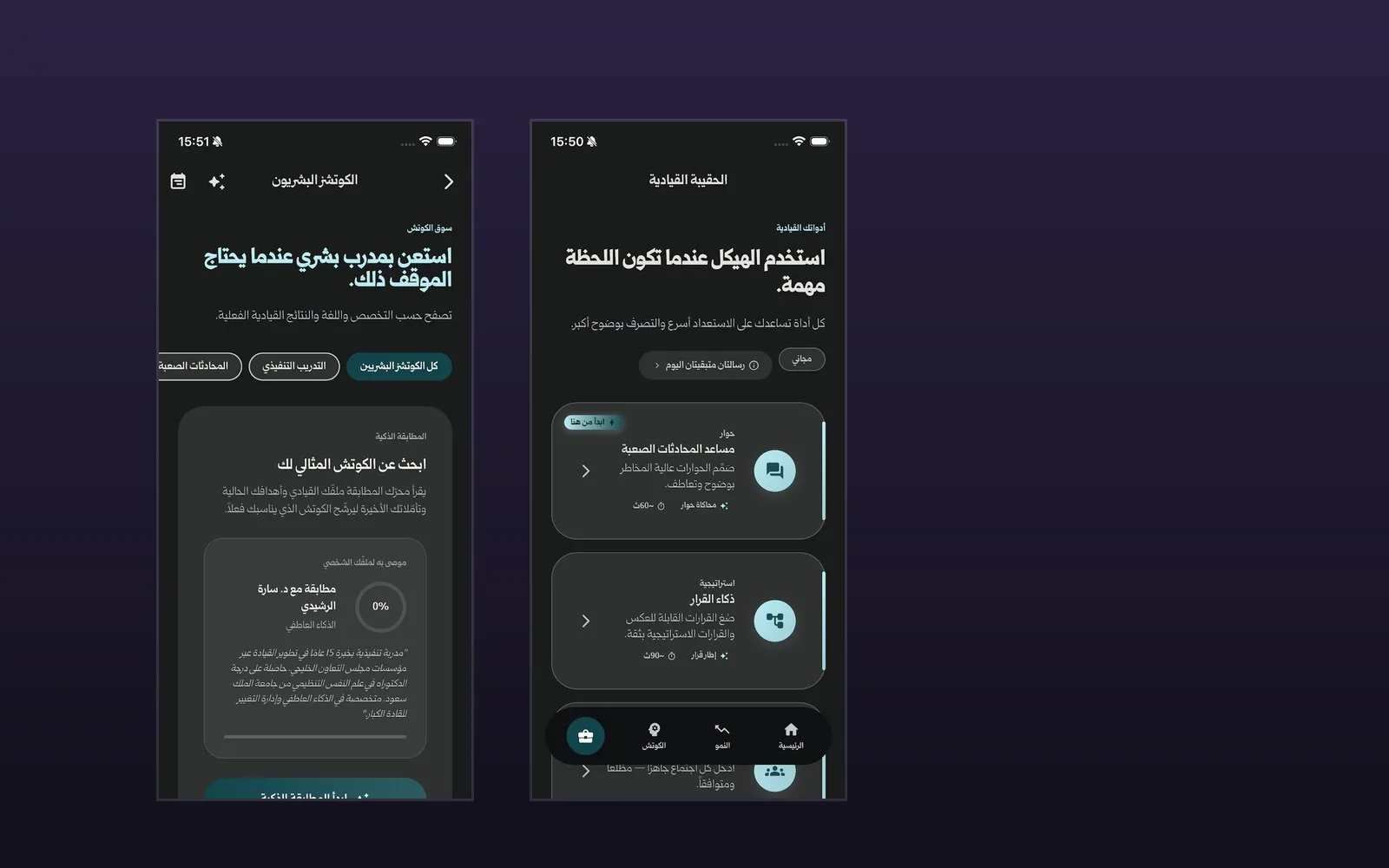
I add AI when it solves a defined task: content generation, summarisation, search, an in-product assistant, or repetitive workflow automation. Model and architecture choices follow quality, cost, and privacy requirements rather than brand recognition.

Practical use cases
- An assistant that answers from approved company sources instead of general guessing.
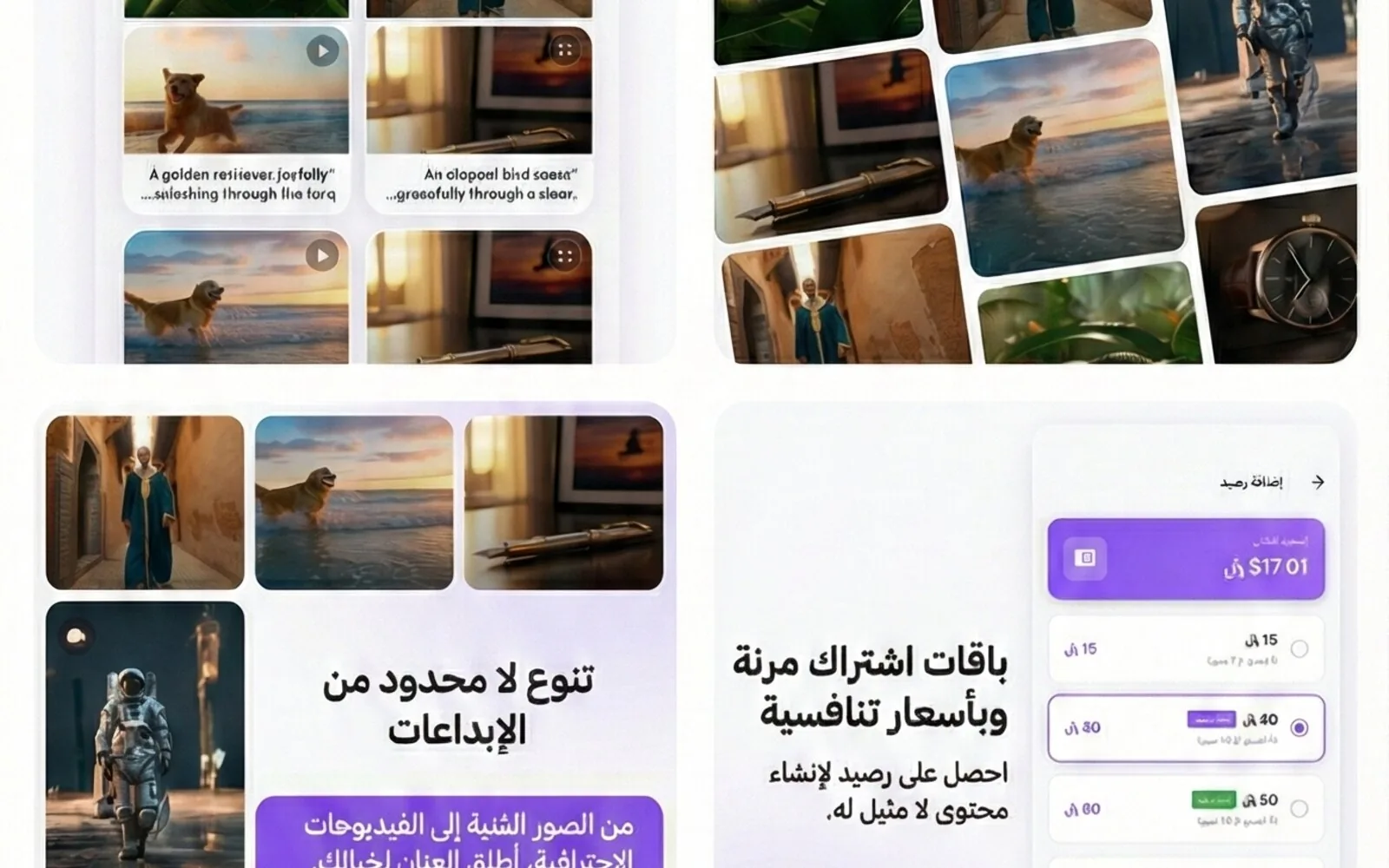
- Text, image, or video generation and enhancement inside an existing product.
- Document summarisation, request classification, and reviewable data extraction.
- Automation across email, forms, CRM systems, and APIs using n8n or custom code.
What implementation includes
- A small evaluation that measures quality and cost before a full build.
- Prompt design, tool connections, context handling, and usage boundaries.
- Error and usage logging plus a fallback path when a model is unavailable.
- Server-side protection for credentials and sensitive data.
- Tests using representative examples and acceptance criteria the product owner can inspect.
A technical decision before a feature
- We define the task to improve and the evidence that would count as success.
- We compare a conventional implementation with an AI implementation and choose the safer useful option.
- A constrained prototype is tested with permitted data.
- Release is gradual, with cost, failure, and answer quality monitoring.
Accuracy and privacy without exaggeration
These limits are part of the agreement, not marketing copy.
- Model output is not described as always correct; human review is added where consequences require it.
- Sensitive data is not sent to an external provider without approval and a clear policy.
- I do not promise an unmeasured percentage reduction in cost or time.
- Using ChatGPT or Gemini does not make a product useful by itself; the task and experience do.
Discuss your project
Send the repetitive task, inputs, expected outputs, and data sensitivity. I will propose a small evaluation before a larger investment.